Herb
Oregano
Origanum vulgare
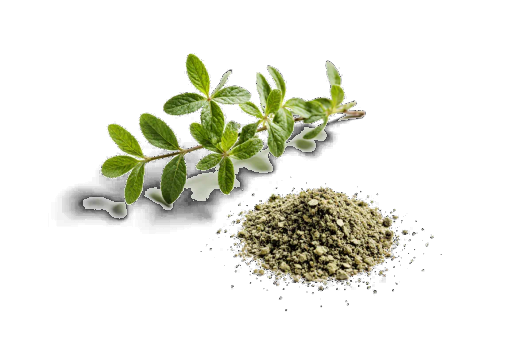
Intense herbal aroma, warm and somewhat peppery, with a camphor-like base and a slight bitterness that grows as it dries; dried, it smells stronger than fresh.
Aroma compounds
The volatile molecules behind its aroma. Each one adds a distinct note.
- Carvacrol peppery, warm and phenolic; responsible for the typical taste of dried oregano
- Thymol herbal and medicinal, reminiscent of thyme
- γ-Terpinene herbaceous and citrusy, it lightens the whole
- p-Cymene dry and woody, with a hint of toasted citrus
- β-Caryophyllene woody, dry and slightly peppery
In the kitchen
In Chilean cooking, dried oregano goes alongside cumin in almost every pot and oven dish: the pino of empanadas and pastel de choclo, ajiaco, cazuela de vacuno, arrollado huaso, the anticucho marinade, pollo arvejado and porotos con riendas. It also seasons simple meat and fish such as grilled chicken breasts, sheet-pan lemon chicken and baked salmon, and it is the herb of the tomato sauce for pasta; tacos al pastor use the Mexican variety. It is added dried, rubbed between the fingers to release its oil, at the start of long stews or at the end of short cooking. Fresh, it is milder and goes into salads and dressings; one teaspoon of dried equals one tablespoon of fresh leaves.
- Tomato
- Cumin
- Garlic
- Ají de color
- Lemon
- Olive oil
How to choose, store and substitute it
How to choose it
Dried, look for whole leaves or large pieces, greyish green, not a brown powder: powder loses its aroma sooner and usually contains stems. Rubbed, it should smell strong and peppery. Fresh, the bunches should have firm leaves with no black spots. For Chilean dishes the common Mediterranean oregano is the right one; Mexican oregano, which comes from a different plant, is more citrusy and intense and suits tacos and chili sauces better.
How to store it
Dried, in an airtight jar in the dark: it keeps a good aroma for about 12 months, and up to 2 years as whole leaves. Fresh, it lasts a week in the fridge wrapped in paper towel inside a bag; you can also dry it by hanging the bunches upside down in an airy place for 1 to 2 weeks and then stripping the leaves, or freeze the chopped leaves with oil in an ice-cube tray.
What to use instead
- Marjoram: the same amount; it is sweeter and milder, from the same family.
- Dried thyme: the same amount; more medicinal, it works in stews and with meat.
- Herbes de Provence or Italian seasoning: the same amount; they already include oregano with thyme and rosemary.
- Dried basil: the same amount in tomato sauces, with a sweeter result.
Frequently asked questions about oregano
What is oregano?
It is a perennial herb of the mint family, Origanum vulgare, native to the Mediterranean, used as dried or fresh leaves. Its warm, peppery taste comes mainly from carvacrol and thymol, the same compounds that give thyme its character. In Chile it is, together with cumin, the base seasoning of stews, of the pino and of marinades.
Chilean, Mediterranean or Mexican oregano?
The oregano sold in Chile and the Mediterranean one are the same plant, Origanum vulgare, with differences in intensity depending on climate and region. Mexican oregano is another species, Lippia graveolens, of the verbena family: more citrusy, stronger and with a hint of anise, meant for chilies and tacos. For pino or cazuela use the common one; keep the Mexican one for Mexican recipes such as tacos al pastor.
Dried or fresh oregano: which is better?
For Chilean cooking, dried: drying concentrates the oil and the carvacrol, and its flavour stands up to the long cooking of a cazuela or a pot of beans. Fresh is greener and milder, loses strength with heat and shines in dressings, salads and as a finishing touch. The practical equivalence is one teaspoon of dried for one tablespoon of chopped fresh leaves.
When is oregano added to a stew?
In long stews, at the start, with the sofrito, so it melts into the oil and the onion, as in the pino or the ajiaco. In short or oven cooking, such as grilled chicken breasts or salmon, it is mixed with the salt and oil before cooking. Always rub it between your fingers as you add it: it breaks the leaves and releases the aroma.
How do you dry oregano at home?
Tie the bunches and hang them upside down in a dry, airy, shaded place for one or two weeks, until the leaves crackle. Strip them over a sheet of paper, discard the stems and keep the whole leaves in an airtight jar. An oven under 50 °C with the door ajar for a few hours also works, as long as you watch that the leaves do not toast.
Recipes with oregano
- Chilean Ajiaco — the leftover-steak soup eaten after Independence Day
- Anticuchos (Chilean grilled marinated beef skewers)
- Arrollado Huaso — Chilean Marinated Pork Roll
- Chilean cazuela de vacuno — clear beef broth with potato, pumpkin and corn
- Baked Chilean beef empanadas (empanadas de pino)
- Chilean corn pie (pastel de choclo)
- Juicy Pan-Seared Chicken Breasts in 20 Minutes
- Pino, the Chilean beef and onion filling for empanadas and pastel de choclo
- Juicy oven-roasted chicken pieces (crispy skin)
- Lovely lemon chicken traybake
- Pollo Arvejado (Chilean Chicken and Pea Stew)
- Porotos con rienda — the Chilean bean, pumpkin and spaghetti stew
- Juicy Baked Salmon with Lemon and Butter
- Homemade Tomato Sauce for Pasta
- Al pastor tacos