Spice
Cumin
Cuminum cyminum
Warm, earthy and penetrating aroma with a bitter, slightly citrusy base; the whole seed smells cleaner, and grinding it makes it more intense and persistent.
Aroma compounds
The volatile molecules behind its aroma. Each one adds a distinct note.
- Cuminaldehyde the signature note of cumin: green, penetrating and slightly bitter
- γ-Terpinene herbaceous and citrusy, with a base of herb oil
- p-Cymene dry and a little medicinal, reminiscent of toasted citrus peel
- β-Pinene resinous and fresh, like pine bark
- Cuminic alcohol warm and soft, it rounds off the harshness of the aldehyde
In the kitchen
It is the spice that most defines the taste of Chilean home cooking: it goes into the pino of empanadas and pastel de choclo, the marinade of anticuchos, arrollado huaso, cazuela de vacuno, ajiaco, porotos con riendas and chancho en piedra. Beyond Chile it is the base of curries, chili, tacos al pastor and many legume stews, and on this site it also seasons the quinoa templada. It is almost always used ground and in small amounts: half a teaspoon is enough for a sofrito that serves four. It gives more if added at the start, with the onion and the hot oil, because its oils dissolve in the fat and spread through the whole dish; sprinkled at the end it tastes raw and harsh.
- Cilantro
- Ají de color
- Oregano
- Garlic
- Onion
- Lemon
How to choose, store and substitute it
How to choose it
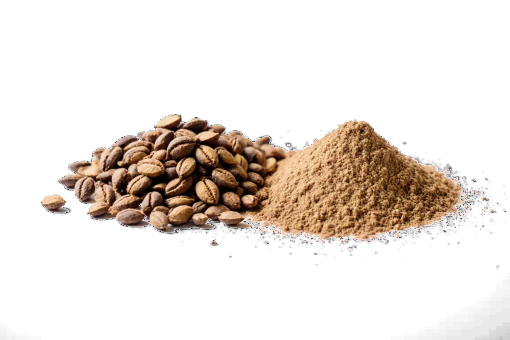
Buy whole cumin if you can: the seed keeps its aroma for months and grinds in seconds in a mortar or a clean coffee grinder. It should be an even greenish brown, with whole seeds and no dust at the bottom of the jar. If you buy it ground, choose small, opaque containers and check that the smell is intense and warm when you open them; ground cumin that barely smells has already lost what makes it useful. Be wary of cheap blends: they are sometimes cut with caraway or fennel seeds, which look similar but taste different.
How to store it
In an airtight jar, away from light and from the heat of the kitchen. Whole seed keeps a good aroma for 2 to 3 years; ground, between 6 months and a year. Do not store it next to the stove or above the oven: heat dries out the oils. If you have a lot, freeze the whole seed in a tightly closed jar and grind only what you are about to use. To check whether it is still alive, rub a pinch between your fingers: it should smell strong and warm at once.
What to use instead
- Ground coriander seed: the same amount; the result is more citrusy and less earthy.
- Caraway: half the amount, because its aniseed aroma takes over easily.
- Curry powder: the same amount, in stews only; it already carries cumin along with turmeric and other spices.
- Mexican-style chili powder: the same amount in tacos and beans; it brings cumin, chili and oregano at once.
Frequently asked questions about cumin
What is cumin?
It is the dried seed of Cuminum cyminum, a plant of the parsley and carrot family native to the eastern Mediterranean and Central Asia. It is used whole or ground as a spice and is one of the oldest known. It reached Chile with Spanish cooking and stayed in the pino, the cazuela and the marinades; its warm, slightly bitter taste is, together with ají de color, what makes a stew taste Chilean.
Should cumin be toasted before use?
Yes, when it is used whole. One minute in a dry pan over medium heat, moving the seeds until they crackle and smell, wakes up the oils and softens the bitterness; then they are ground. Ground cumin is not toasted separately: it goes into the hot oil of the sofrito a few seconds before the onion, just long enough to perfume it without burning, because burnt cumin turns acrid.
How much cumin goes into a stew?
Less than it seems. For a pino for twelve empanadas, one level teaspoon; for a cazuela or an ajiaco serving four, half a teaspoon; for an anticucho marinade with 800 g of meat, one teaspoon. It is better to fall short and adjust at the end, because its flavour grows as the dish rests and an excess leaves it bitter, with a penetrating smell not everyone tolerates.
Is cumin the same as caraway?
No, although they look alike at a glance. Caraway is the seed of another plant, more curved and darker, with an aniseed aroma reminiscent of fennel and liquorice; it is the seed of European rye bread. Cumin is straighter, greenish brown, and tastes warm, earthy and bitter. In Chilean recipes they are not interchangeable: caraway changes the character of the pino.
Whole or ground cumin?
Whole lasts much longer and can be toasted; ground is more practical and blends in without leaving seeds in the mouth, which is what the pino, the anticucho marinade or the chancho en piedra call for. A good solution is to keep whole seed and grind the teaspoon you need each time: it takes twenty seconds in a mortar and the aroma is nothing like that of a jar opened months ago.
Recipes with cumin
- Chilean Ajiaco — the leftover-steak soup eaten after Independence Day
- Anticuchos (Chilean grilled marinated beef skewers)
- Arrollado Huaso — Chilean Marinated Pork Roll
- Chilean cazuela de vacuno — clear beef broth with potato, pumpkin and corn
- Chancho en piedra — Chile's stone-ground tomato, garlic and chili salsa
- Baked Chilean beef empanadas (empanadas de pino)
- Chilean corn pie (pastel de choclo)
- Pino, the Chilean beef and onion filling for empanadas and pastel de choclo
- Porotos con rienda — the Chilean bean, pumpkin and spaghetti stew
- Warm quinoa bowl
- Al pastor tacos