Spice
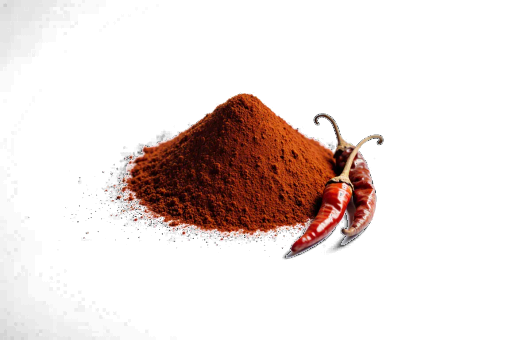
Ají de color (Chilean paprika)
Capsicum annuum
Sweet and earthy, with a background of ripe red pepper and a faintly smoky edge when it is warmed in oil; it hardly stings, and what it brings is red-orange colour and roundness to the sofrito.
Aroma compounds
The volatile molecules behind its aroma. Each one adds a distinct note.
- Capsanthin red-orange pigment that gives the colour; it has no smell and dissolves in fat
- Capsorubin deep red pigment that accompanies capsanthin in ripe peppers
- Capsaicin the heat, present only in traces in sweet ají de color
- 2-Methoxy-3-isobutylpyrazine green and fresh-pepper, the memory of raw bell pepper
- β-Ionone fruity and violet-like, the sweet note that appears in dried peppers
In the kitchen
It is the sweet ground paprika of Chilean cooking: ripe red peppers, dried and finely ground, with little or no heat. It is almost always dissolved in hot oil or lard at the start of the sofrito so that it releases its colour and perfumes the fat. That is how it goes into the pino of the baked empanadas and of the pastel de choclo, into Chilean ajiaco, into the anticuchos marinade, into arrollado huaso, pollo arvejado, porotos con riendas and the seasoning of the grilled chicken breasts. The «color» of Chilean kitchens is exactly that: oil with ají de color, which tints stews, broths and fillings. It is never toasted dry or left long in very hot oil, because it turns bitter and dark; add it off the heat or over low heat and stir at once.
- Onion
- Cumin
- Garlic
- Beef
- Oregano
- Olive oil
How to choose, store and substitute it
How to choose it
Look for an intense red powder, not brick or brown, with a sweet pepper smell when you open the packet. Good ají de color is sold as sweet ground paprika; if the label says «hot» or «smoked», it is a different product. Buy small amounts, because it loses colour and aroma over time, and prefer opaque jars or sealed bags. Outside Chile, Spanish sweet pimentón or Hungarian sweet paprika is the same ingredient.
How to store it
In an airtight jar, away from light and from the heat of the stove: the pigment degrades in light and the powder cakes with humidity. It keeps well for 6 months and up to a year if it was fresh when bought; after that it still tints, but tastes of dust. If it turns brown or smells rancid, replace it. Never keep it above the stove or next to the oven.
What to use instead
- Spanish sweet pimentón or Hungarian sweet paprika: the same amount; it is the same ingredient under another name.
- Sweet smoked paprika: the same amount, but it brings smoke; use it only where the dish allows, as in the anticuchos marinade.
- Roasted red pepper paste or pepper purée: twice the volume and less oil in the sofrito, to give the colour without a ground spice.
- Merkén: half the amount, because it is hot and smoked; it works in meat stews, not in the classic pino.
Frequently asked questions about ají de color (chilean paprika)
What is ají de color?
It is ripe red pepper, dried and finely ground: the sweet paprika of Chilean cooking. It gives a red-orange colour and a sweet, earthy flavour to sofritos, stews and fillings, and it hardly stings. In Chile it is sold under that name; in Spain it is pimentón dulce and elsewhere, paprika.
Is ají de color hot?
No, or barely. It is made from sweet peppers, with capsaicin only in traces, so children and people who avoid heat can eat it. If you want heat, ají de color is combined with cacho de cabra chili, with merkén or with a pinch of ground hot chili, but it is not replaced by them in the same amount.
Is ají de color the same as paprika?
Yes: sweet paprika, pimentón dulce and ají de color are the same product, dried and ground red pepper, with a different name in each country. The origin, the intensity of the colour and sometimes the grind vary. What is not the same is hot or smoked paprika, which change the flavour of the dish.
How do I use ají de color so it does not turn bitter?
Dissolve it in warm oil or lard, off the heat or over low heat, and stir at once; then add the onion or the meat. If it falls into very hot oil or is fried dry, it burns in seconds, turns brown and bitter. In stews with liquid it can go straight into the broth, mixed first with a little cold water.
What does ají de color do in the pino of empanadas?
It gives the orange colour and the sweet background that set Chilean pino apart from the meat fillings of other countries. It is dissolved in the oil before the onion goes in, so it tints all the fat, and it is adjusted at the end, because the colour deepens while the pino rests in the fridge before the empanadas or the pastel de choclo are assembled.
Recipes with ají de color (chilean paprika)
- Chilean Ajiaco — the leftover-steak soup eaten after Independence Day
- Anticuchos (Chilean grilled marinated beef skewers)
- Arrollado Huaso — Chilean Marinated Pork Roll
- Baked Chilean beef empanadas (empanadas de pino)
- Chilean corn pie (pastel de choclo)
- Juicy Pan-Seared Chicken Breasts in 20 Minutes
- Pino, the Chilean beef and onion filling for empanadas and pastel de choclo
- Juicy oven-roasted chicken pieces (crispy skin)
- Porotos con rienda — the Chilean bean, pumpkin and spaghetti stew