Citrus fruit
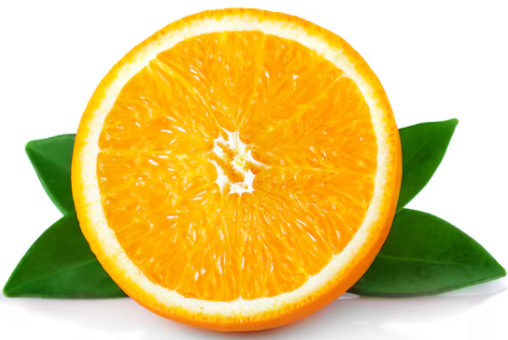
Orange
Citrus sinensis
Fresh, sweet and juicy, with citrus and floral notes and a slightly bitter edge in the peel.
Aroma compounds
The volatile molecules behind its aroma. Each one adds a distinct note.
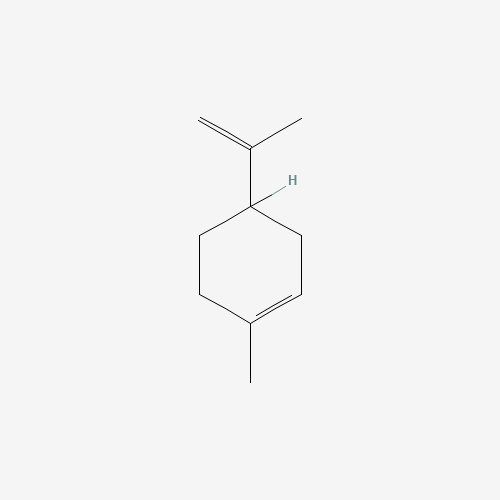
- Limonene citrus, fresh
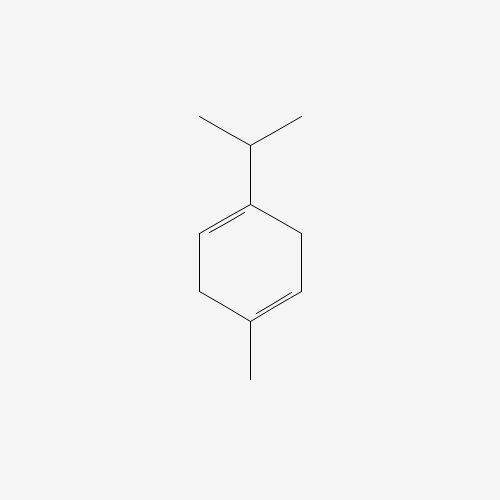
- γ-Terpinene citrus, slightly herbal
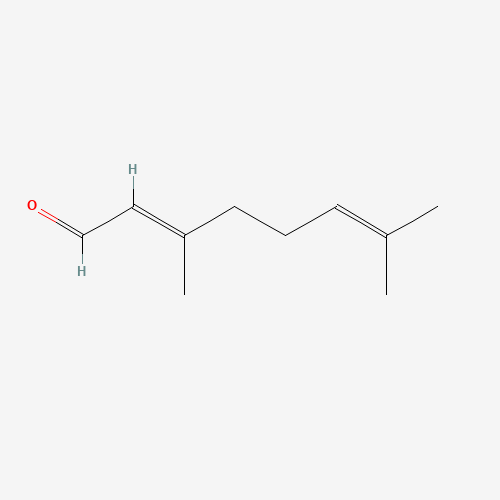
- Geranial intense lemon-like citrus
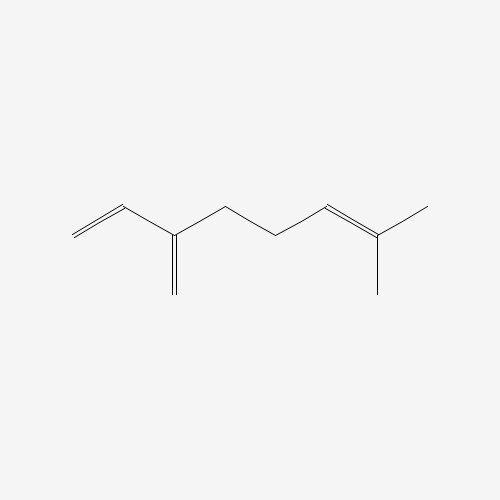
- Myrcene herbal, balsamic, slightly sweet
In the kitchen
The zest adds intense aromatic oils to doughs, creams and marinades; the juice adds acidity and sweetness to sauces, dressings and desserts. Candied peel and reduced juice concentrate its aroma. In Chilean cooking the zest perfumes pan de pascua, small cakes and sopaipillas pasadas; segments cut free of the pith go into salads, like the Christmas one, and the juice softens pork and poultry marinades and dressings. Take the zest before squeezing the fruit.
- Chocolate
- Cinnamon
- Vanilla
- Almond
- Ginger
How to choose, store and substitute it
How to choose it
Choose oranges that are heavy for their size and firm, with thin, fine-grained skin: they have more juice. Skin with green tints does not mean unripe, because colour depends on climate. Navel oranges (with a small button at the base) are sweet and seedless, ideal for eating and for segments; juice oranges are more acidic and have more juice. If you will use the zest, rub the peel with a finger: a fragrant, oily skin signals fresh fruit and good zest.
How to store it
At room temperature they last about 1 week; in a bag in the fridge, 3 to 4 weeks. Freshly squeezed juice loses aroma and vitamin C within hours, and navel orange juice turns bitter on standing; drink it right away or freeze it in an ice-cube tray. The zest freezes in a small bag for 3 months.
What to use instead
- Mandarin or clementine: the same amount of juice and zest; sweeter and less acidic.
- Bottled orange juice: for sauces, dressings and marinades; it loses aroma, so it is not ideal in desserts where it is the main flavour.
- Lemon juice with a teaspoon of sugar or honey: it imitates the balance of acidity and sweetness in dressings.
Frequently asked questions about orange
How do you segment an orange?
Cut off the top and bottom, stand the orange up and remove the peel and all the white pith with a sharp knife, following the curve. Cut each segment out from between the membranes, over a bowl to catch the juice, and squeeze the membranes at the end. They are good for salads and desserts: with no pith, they do not turn bitter.
Navel or juice orange?
The navel is sweet, seedless and firm-fleshed: the best for eating, for segments and for salads. The juice orange has more liquid and slightly more acidity, and yields more in a juicer. If you have no juice oranges, a navel will do, but drink the juice right away because it turns bitter on standing.
Why does orange juice turn bitter if you leave it to stand?
In navel oranges a bitter compound called limonin forms within minutes of squeezing the fruit. It is not a freshness problem: it is the chemistry of the variety. Squeeze it just before drinking or using it, or use juice oranges to prepare juice ahead.
How much juice does an orange give?
A medium orange gives 80 to 100 ml of juice. For a 250 ml glass allow 3 oranges, and for the dressing of an 8-serving salad, one orange. Roll it on the counter and use it at room temperature to get more.
Recipes with orange
- Agua de Jamaica (Hibiscus Iced Tea)
- Aperol Spritz — the Italian aperitivo with the 3-2-1 rule
- Arroz con leche (Latin American rice pudding with cinnamon)
- Fresh Christmas salad — green apple, beetroot, orange and walnuts
- Chilean pan de pascua — Christmas fruit loaf with candied fruit, walnuts and ginger
- Juicy roast turkey — dry brine, herb butter and a thermometer
- Chilean sopaipillas (fried pumpkin flatbreads)
- Sopaipillas pasadas (Chilean sopaipillas in chancaca syrup)
- Al pastor tacos